Urban development
ADVERTISEMENT
Smart Glass and Dynamic Facades: How Technology is Reducing Building Energy Use
In an era where sustainable construction and energy efficiency are at the forefront of architectural design, innovative technologies are playing a pivotal role in transforming how buildings consume energy. Among these advancements, smart glass and dynamic facades stand out as groundbreaking solutions capable of significantly reducing energy use in both residential and commercial buildings.
The Rise of Cross-Laminated Timber: How Wood is Replacing Steel in Skyscrapers
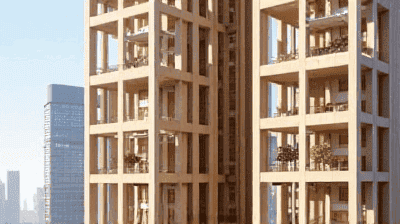
As urban populations continue to grow and the demand for sustainable construction solutions escalates, the building industry is witnessing a remarkable transformation. One of the most notable trends in contemporary architecture is the increasing use of cross laminated timber (CLT) in skyscrapers.
Net-Zero Buildings: How Modern Architecture is Achieving Carbon Neutrality
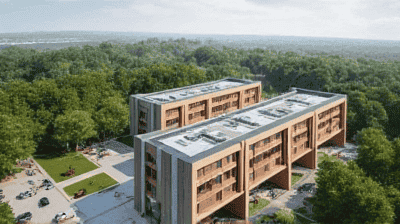
In the face of climate change and increasing urbanization, the concept of 'net zero buildings' has emerged as a vital solution in the quest for sustainable architectural practices. A net zero building is designed to produce as much energy as it consumes over the course of a year, effectively achieving carbon neutrality.
The Rise of E-Scooters: Sustainable Solution or Urban Nuisance?
The emergence of electric scooters, or e-scooters, has transformed the urban mobility landscape in many cities around the globe. Promoted as a sustainable, convenient, and cost-effective means of transportation, e-scooters offer riders a quick way to navigate congested city streets.
Electric Buses vs. Hydrogen-Powered Transit: Which is the Future of Public Transport?
As cities around the world grapple with issues of air pollution, greenhouse gas emissions, and energy consumption, the need for sustainable public transportation solutions has never been more pressing. Among the various options available, electric buses and hydrogen-powered transit systems have emerged as two leading contenders in the race to create cleaner, more efficient public transport.
The Push for Green Chemistry: Reducing Toxins in Industrial Processes
As industrial processes have evolved, so too has the awareness of their impact on the environment and human health. Traditional chemical manufacturing often involves hazardous substances that can lead to significant environmental degradation and health-related issues.
Living Walls and Rooftop Gardens: The Benefits of Biophilic Design in Urban Spaces
As urban areas become increasingly dense and concrete-heavy, the need for sustainable and restorative design has never been more critical. Biophilic design—an approach that seeks to strengthen the relationship between people and nature—has emerged as a groundbreaking solution to enhance urban living.
The Circular Economy in Fashion: Can Clothing Ever Be Truly Sustainable?
The fashion industry is one of the most dynamic and influential sectors in the global economy, profoundly affecting culture, identity, and the environment. However, it is also one of the most resource-intensive industries, contributing to significant environmental issues such as pollution, waste, and carbon emissions.

Freight Electrification: How Delivery Trucks and Vans Are Going Green
The rapid expansion of e-commerce and a surge in online shopping have transformed the logistics and transportation industries. As the demand for faster and more efficient delivery services grows, so too does the urgency to address the environmental impact of freight transportation.
How LEED Certification is Shaping the Future of Sustainable Urban Development
As urban areas continue to expand, the need for sustainable development practices is more critical than ever. One of the most influential frameworks guiding this transition is LEED certification, which stands for Leadership in Energy and Environmental Design.